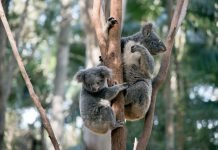
The NSW Wildlife Council is urging wildlife carers, rescue line operators and volunteers to remain alert after the first case of H5 bird flu was confirmed in Australian wildlife.
There are currently no reports of mass wildlife mortality and no detections outside Western Australia. NSW Government information has reassured wildlife carers that agencies responsible for human, animal and environmental health are working together to respond to the threat, with systems in place for ongoing detection, surveillance and response.
Wildlife rehabilitators play an important role in protecting native animals across NSW. Their work helps sick, injured and orphaned wildlife recover, while supporting healthy and resilient wildlife populations.
“While this virus has not been detected in NSW, we must all act with mindful vigilance,” NSW Wildlife Council chair Sonja Elwood said.
“The NSW Wildlife Council network includes close to 6000 wildlife carers, including rescue line operators and rescuers. Rescue line operators must refer suspicious cases to the government hotline and remind volunteers not to touch or rescue birds where H5N1 may be a risk.
“It is critical that volunteers do not actively rescue unwell birds, particularly migratory, foreshore or wetland species that may be high risk. The advice is simple: avoid, record and report, and allow specialised agencies to manage suspected cases.”
Government advice states that if H5 bird flu becomes established in wildlife, eradication is not feasible and will not be attempted. Infected wildlife are poor candidates for rehabilitation and there is currently no reliable treatment available.
H5 bird flu can also infect other animals in care. People may become sick or spread infection if appropriate precautions are not taken, which means suspected wildlife cases should not be intentionally admitted into care.
Wildlife carers, and indeed any member of the public, who finds sick or dead wild birds, or wildlife showing signs of H5 bird flu, are urged to:
- Avoid contact with sick or dead wild birds, other wildlife and their environment.
- Record what they see. Report it using this online form or call 1800 675 888.
“We do not want anyone in the NSW Wildlife Council network to inadvertently carry this highly pathogenic virus into their homes, cars, local veterinary clinics, families, or to other wildlife in their care,” Elwood said.
“Every volunteer needs to understand the seriousness of this risk and follow the advice to avoid, record and report suspected cases.”
For more information, visit: Avian influenza | Department of Primary Industries